FREE delivery on orders over €36. (Valid only in Estonia)

Author Silversmith

Memento mori and Victorian commemorative jewelry

Published by on July 1, 2026

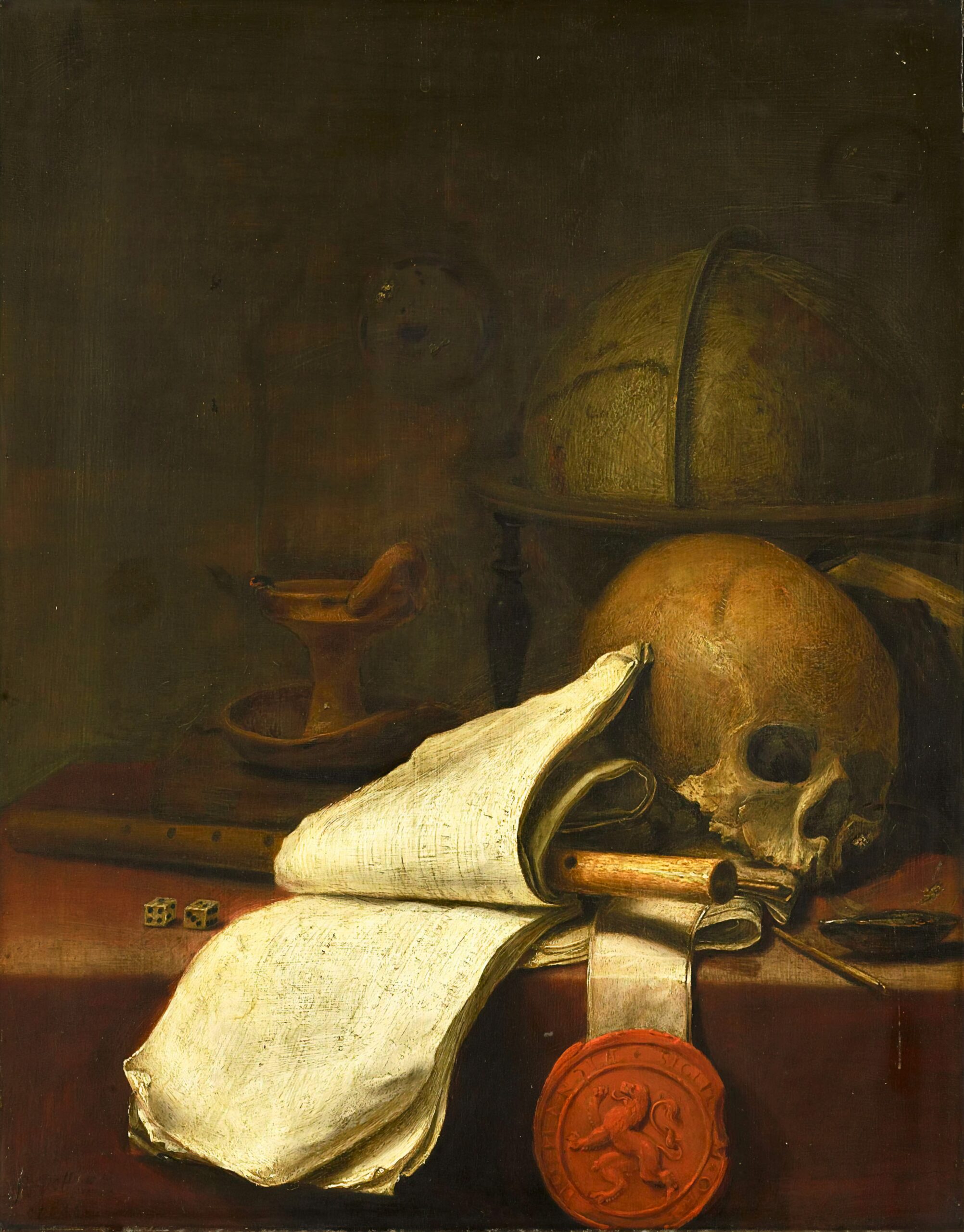
Imagine a gold ring engraved with a small skull and the words “our life is a shadow on earth.” This is not a fashion item from a jewelry store, but a 17th-century memento mori ring. In this deep dive, we look at the history of death symbolism in jewelry: the philosophy of memento mori, Victorian memorial jewelry, hair work, and how this legacy lives on today.

Tarot: Origins, Symbols, and Development

Published by on June 19, 2026

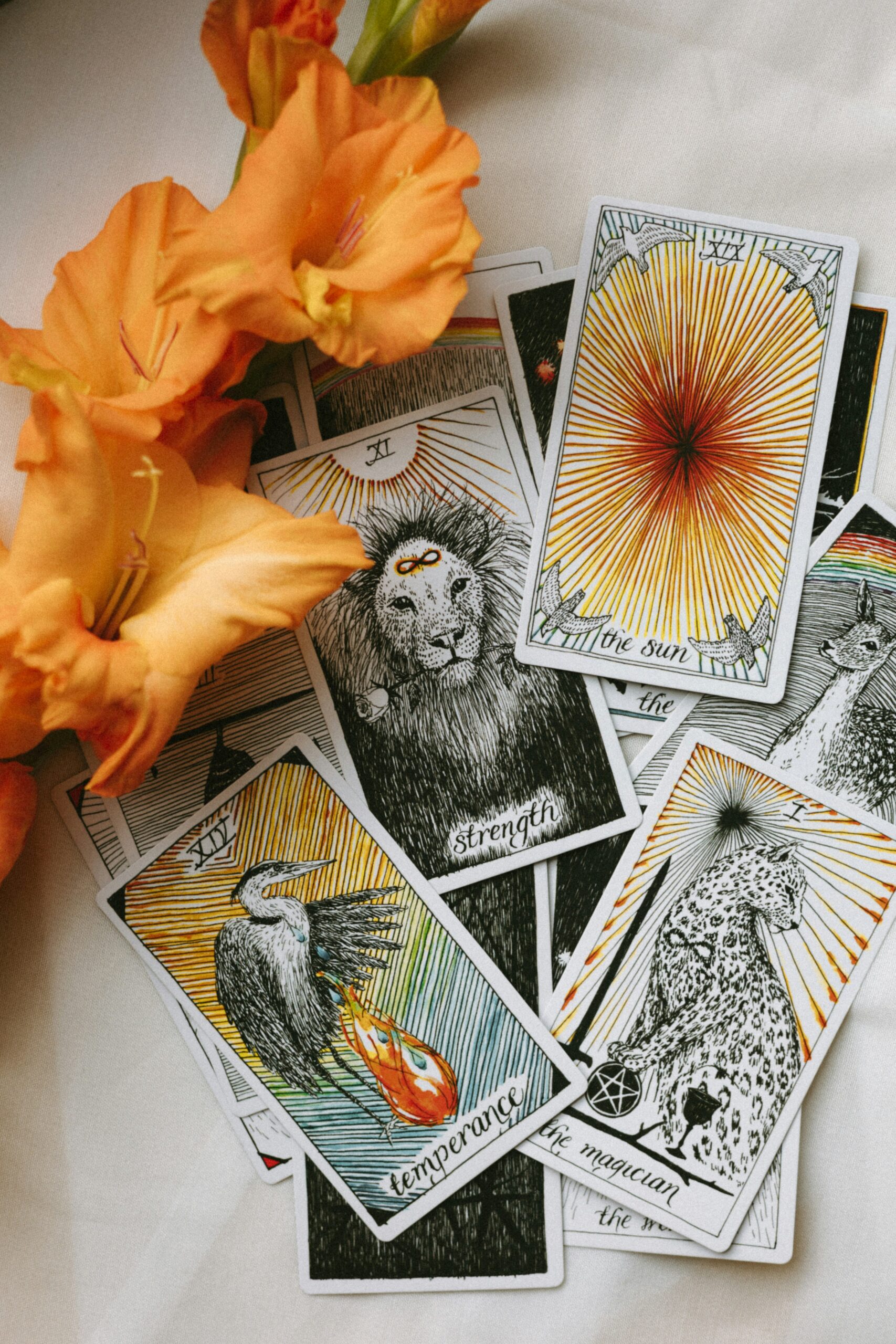
Tarot is not ancient Egypt. It is a 15th-century Italian playing card that, in the hands of 18th-century occultists, became a tool of the esoteric system. In this deep dive, we look at the history of tarot from Visconti-Sforza to Pamela Colman Smith's revolutionary deck and today's social media tarot communities. We list all 22 Major Arcana cards.

Alchemy: chemistry, spirit, or both.

Published by on May 20, 2026

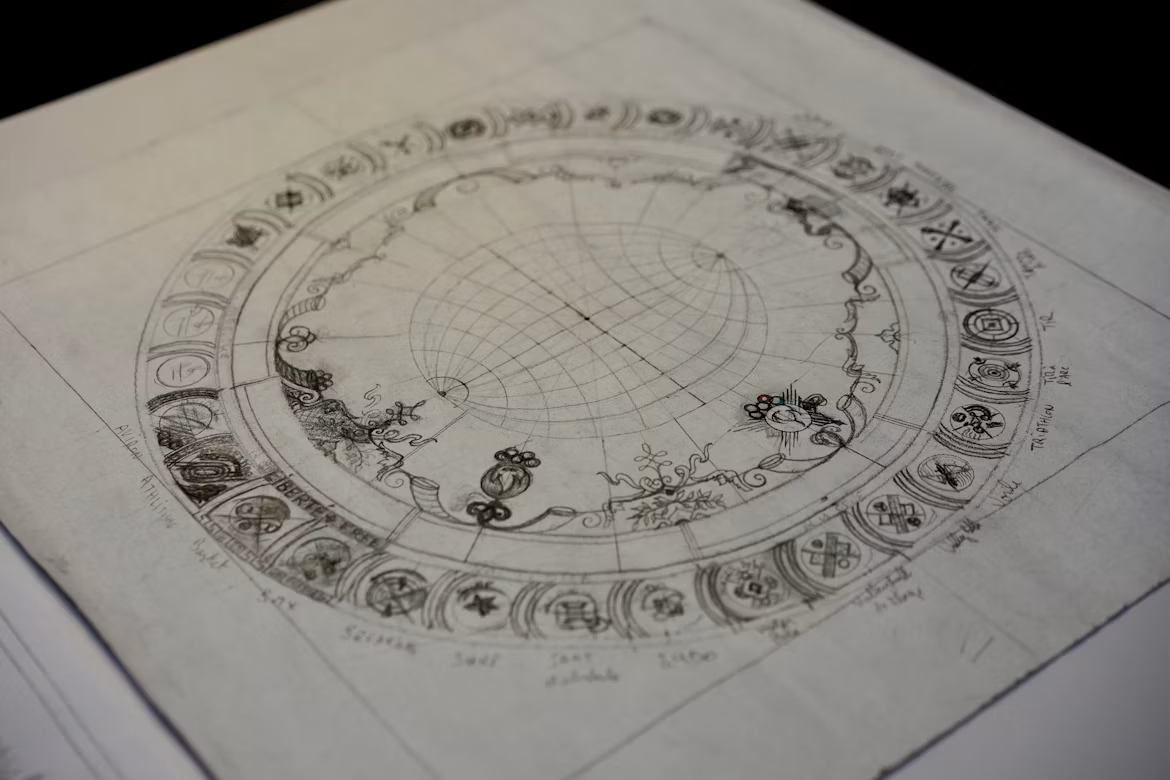
“Lead into gold.” That’s how most people know alchemy. But the actual history of alchemy is ten times richer. Alchemy is a dual tradition: physical practice with substances in the laboratory, and spiritual discipline to achieve inner perfection. In this deep dive, we look at the three phases of the magnum opus, the symbolism of the philosopher’s stone, and the influence of Carl Jung, which changed the world’s understanding of alchemy.

Magic in World Religions and Traditions: An Overview

Published by on May 19, 2026

How have different religions and traditions approached magic throughout time? We will explore Jewish Kabbalah, alchemy, astrology, tarot, Gnosticism, Eastern traditions, and the symbolism of death. A comparative overview of the main branches of Western esotericism.

Estonian mythology and occult symbolism

Published by on May 18, 2026

Vanapagan, Vanemuine, Koit and Hämarik, Kalevipoeg. These mythological figures are familiar to every Estonian. But how do we really know them? The answer is a bit inconvenient: a large part of “classical Estonian mythology” is a national construct of the 19th century. Let's see what is real tradition, what is Kreutzwald's creation, and why all of this is important from the point of view of occultism and symbolism.

Spells and word magic in Estonian folk tradition

Witchcraft Spell Table

Published by on May 14, 2026

“I bit the iron, blood gushed out.” These are blood sayings that were recorded in 1947 in the parish of Jõhvi. The village sage recited these words nine times to stop the bleeding. In this third part of a deep dive series, we look at how Estonian word magic really worked, what types of spells there were, and what specific texts have been preserved in the folklore archive.

Estonian wise men and witches: who were they really?

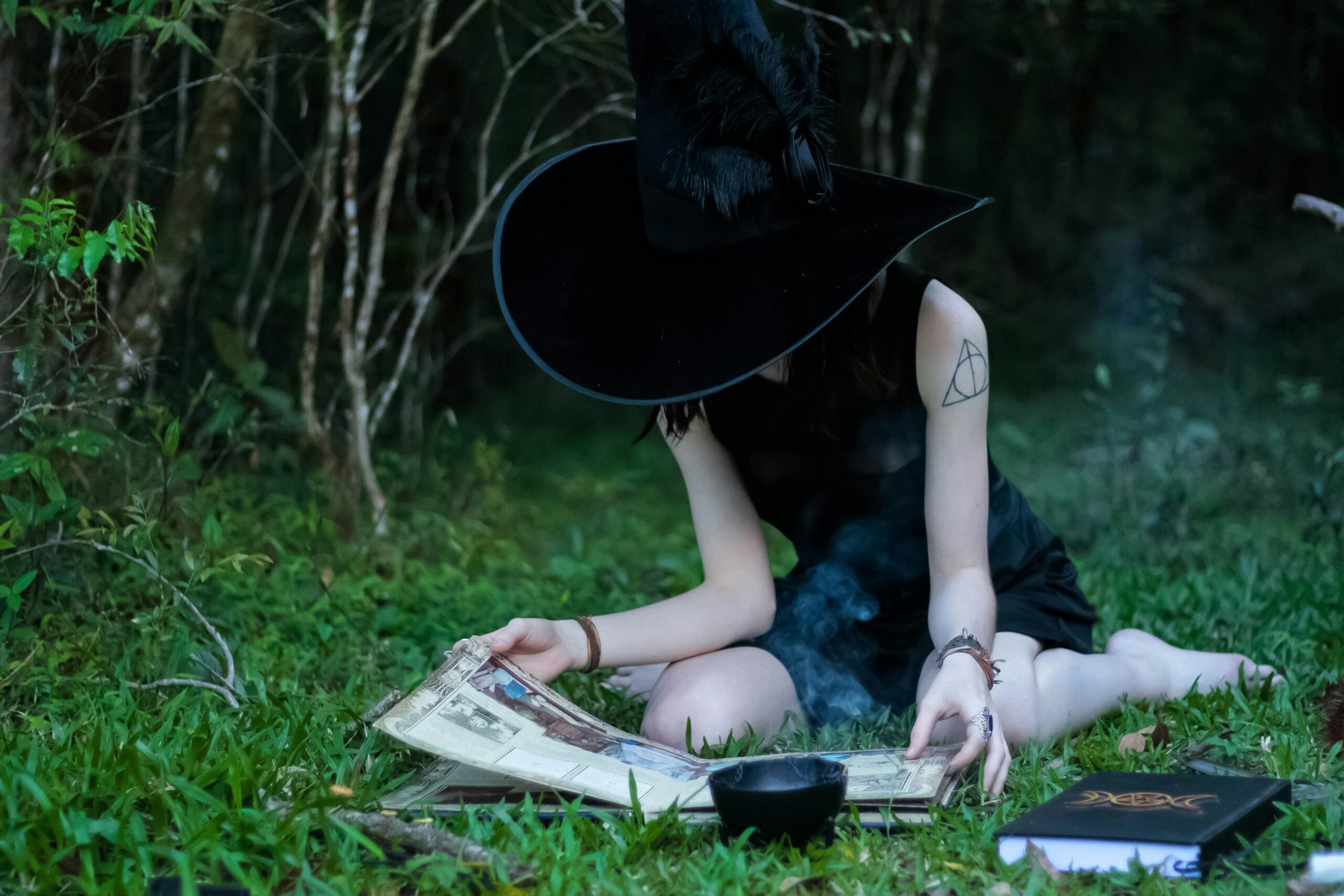
A witch learning magic in the forest

Published by on May 12, 2026

The Estonian wise man or witch of the 18th and 19th centuries was often a completely different person than the Hollywood image suggests. Sometimes an old man with a long beard, sometimes a postman who was visited by tens of thousands of people. In this second part of a deep dive series, we will get to know two legendary Estonian wise men of the 20th century, Hermine Jürgens, or the Witch of Äksi, and Kaika Laine, and look at their working methods.

Estonian Folklore, Witchcraft, and Magical Practices: A Complete Overview

Published by on May 7, 2026

Estonians are one of the most secular people in Europe, but at the same time a nation where 47 percent of people believe that nature has a soul. In this second part of a deep dive series, we look at who Estonian wise men and witches really were, how word magic worked, what happened in the witch trials in Livonia, and why these traditions live on today.

Occultism as a historical and cultural phenomenon

Occultism as a historical and cultural phenomenon - Rongabutiik

Published by on May 7, 2026

Movies and TV shows about witches, tarot videos on TikTok, alchemical symbols in fashion. The occult is everywhere, but few know what the term really means. In this first part of a deep dive series, we look at where Western esotericism began, how it has evolved throughout history, and why it still speaks to people today.